

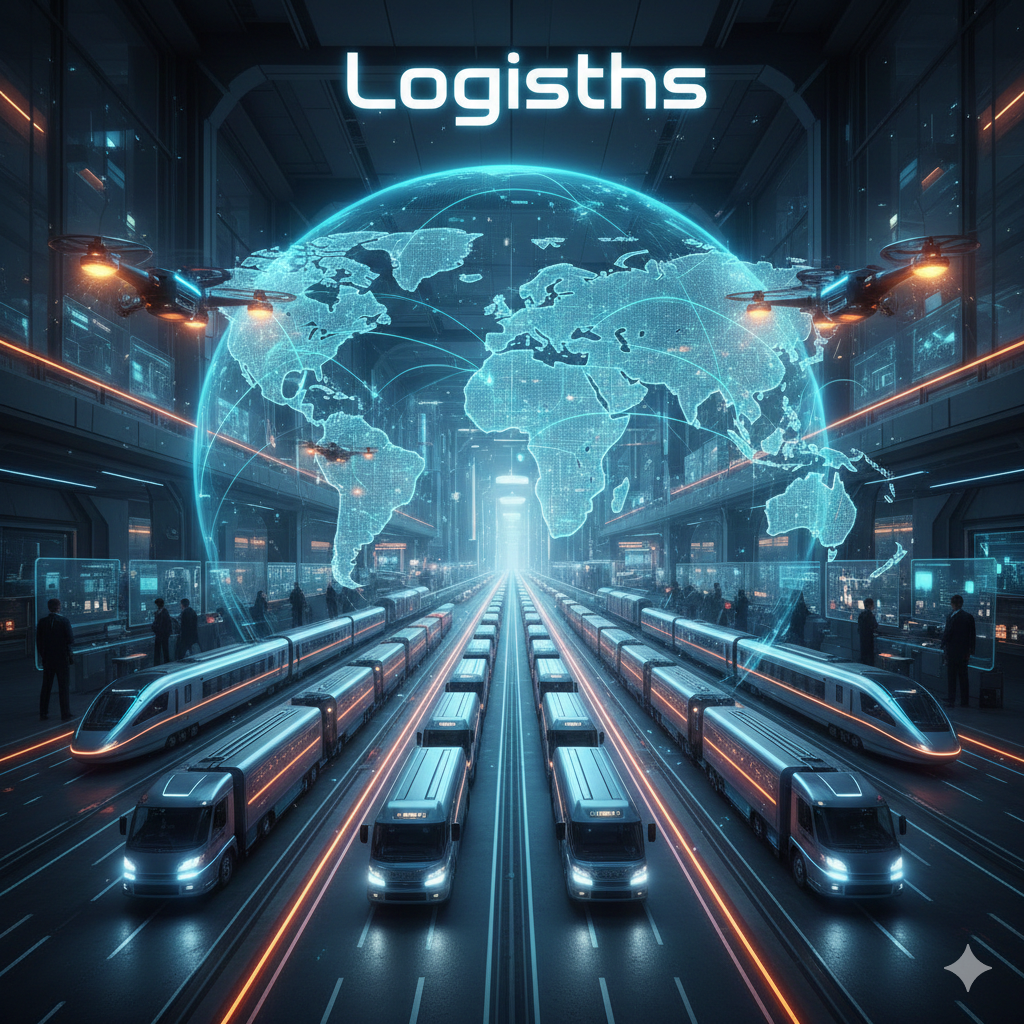
In an era marked by rapid globalization, technological innovation, and shifting consumer expectations, the concept of Logisths is emerging as a transformative force in how goods, services, and information flow across the world. Logisths bridges traditional logistics with digital intelligence, offering new capabilities for businesses of all sizes. In the first decades of the 21st century, supply chain disruptions have exposed the limitations of conventional logistics models, creating demand for smarter, data-driven approaches like Logisths that can ensure resilience, visibility, and performance.
This article will explain what Logisths truly means, why it matters today, how it works, its real-world applications, and what future trends are shaping its adoption. Whether you are a business professional, student, or simply curious about supply chain innovation, this guide to Logisths will give you a clear and comprehensive understanding of the topic.
What Is Logisths?
Understanding the Core Definition of Logisths
At its core, Logisths is a hybrid approach that combines traditional logistics management with advanced digital technologies—such as artificial intelligence (AI), the Internet of Things (IoT), blockchain, and data analytics—to optimize the movement and storage of goods. Unlike classical logistics, which often relies on manual processes and historical planning, Logisths relies on real-time data, predictive modeling, and automation to make decisions that improve efficiency, reliability, and responsiveness.
Logisths is not merely a buzzword. It represents a shift from rigid, linear supply chain operations to agile, interconnected systems capable of adapting to uncertainties like demand volatility, transportation bottlenecks, and global disruptions.
The Evolution of Logisths
From Traditional Logistics to Smart Logisths
For decades, logistics focused on reducing costs and improving delivery time through better transportation planning, inventory control, and warehouse operations. However, as markets grew more complex, many companies faced challenges that traditional logistics could no longer manage effectively.
This led to the evolution of Logisths, which integrates digital tools to:
-
Improve real-time visibility across supply chains.
-
Enhance decision-making using predictive insights.
-
Reduce operational waste and inefficiencies.
-
Strengthen collaboration between partners, vendors, and carriers.
In essence, Logisths represents the next generation of logistics—one that is dynamic, data-enabled, and adaptive.
Key Components of Logisths
Understanding Logisths requires recognizing the technological and organizational elements that make it possible. Below are the key components driving Logisths adoption:
Real-Time Data and IoT Integration
One defining feature of Logisths is the use of IoT sensors and connected devices to gather and transmit data continuously throughout the supply chain. For example, IoT sensors on transportation vehicles can track temperature, humidity, and location—critical for sensitive commodities like pharmaceuticals and food products.
Real-time data allows companies to monitor asset conditions, anticipate delays, and take corrective actions before issues escalate.
Artificial Intelligence and Machine Learning
AI and machine learning play a central role in Logisths by analyzing vast datasets to uncover patterns, forecast demand, optimize routing, and streamline inventory replenishment. These predictive capabilities help companies anticipate disruptions and respond proactively, leading to greater resilience.
Cloud Computing and Digital Platforms
Cloud-based systems provide scalable infrastructure for storing and processing the large volumes of data generated in Logisths operations. Digital platforms also enable stakeholders—such as suppliers, manufacturers, and logistics providers—to collaborate seamlessly through shared access to information.
Blockchain for Traceability
Blockchain technology enhances transparency and trust in Logisths by securely recording transactions and movement history across the supply chain. Immutable records help prevent fraud, ensure compliance, and improve traceability—from raw materials to finished products.
Automation and Robotics
Automation technologies, including robotics in warehouses and autonomous delivery vehicles, are critical to implementing Logisths at scale. These technologies reduce manual labor, improve throughput, and lower the risk of errors.
Benefits of Implementing Logisths
The adoption of Logisths offers significant advantages for businesses operating in complex supply environments:
Enhanced Visibility and Transparency
Logisths provides end-to-end visibility into logistics operations. Companies can monitor orders, shipments, inventories, and performance in real time, enabling faster reactions to anomalies or disruptions.
Improved Efficiency and Cost Savings
By leveraging AI-driven optimization, companies can enhance route planning, reduce fuel consumption, minimize idle time, and optimize warehouse operations. These improvements translate into lower operational costs and improved profitability.
Greater Customer Satisfaction
Today’s customers expect transparency, speed, and reliability. Logisths enables businesses to provide accurate order tracking, faster deliveries, and better service responsiveness—leading to increased customer loyalty.
Risk Mitigation and Resilience
The unpredictable nature of global supply chains demands systems that can adapt quickly. Logisths platforms can detect early warning signs, assess impacts, and recommend mitigation strategies, making operations more resilient against disruptions like natural disasters, geopolitical uncertainties, and labor shortages.
Sustainability and Environmental Impact
Efficient logistics operations reduce waste, fuel consumption, and unnecessary transportation. Logisths supports sustainable practices by optimizing delivery routes, improving load capacity utilization, and minimizing carbon emissions.
Real-World Use Cases of Logisths
To understand how Logisths is applied in practice, let’s explore several industries where it is making a big impact:
E-commerce and Retail
E-commerce companies depend on fast, reliable deliveries and flexible fulfillment options. Logisths supports these needs with real-time order tracking, intelligent distribution center management, and dynamic route optimization that speeds up delivery times and reduces costs.
Healthcare and Pharmaceuticals
In healthcare, supply chains must ensure product integrity, regulatory compliance, and precise temperature control. Logisths technologies like IoT sensors and blockchain help maintain cold-chain conditions and provide traceability from manufacturer to patient.
Manufacturing
Manufacturers use Logisths to coordinate raw material delivery, manage production schedules, and streamline outbound shipments. Predictive analytics helps reduce downtime, prevent stockouts, and ensure production continuity.
Food and Beverage
Perishable goods require careful handling and efficient transportation. Logisths platforms monitor conditions, optimize delivery routes, and ensure faster distribution to minimize spoilage and waste.
Automotive Industry
Complex automotive supply chains involve multiple tiers of suppliers. Logisths enhances coordination among these stakeholders, reducing delays and improving inventory management.
Challenges in Adopting Logisths
Although the benefits of Logisths are substantial, organizations often encounter hurdles during implementation:
High Implementation Costs
Investing in advanced technologies such as AI, IoT infrastructure, and automation systems can be expensive, particularly for small and medium-sized enterprises (SMEs). Initial costs may act as a barrier to entry.
Integration with Legacy Systems
Many companies still operate with legacy systems that were not designed to integrate with modern Logisths platforms. Ensuring compatibility and seamless data flow requires careful planning and technical expertise.
Data Quality and Security
Logisths relies on accurate, real-time data. However, poor data quality can lead to incorrect insights and decisions. Cybersecurity is another concern, as increased connectivity exposes systems to potential threats.
Workforce Skills Gap
Implementing Logisths requires a workforce skilled in data analytics, digital systems, and technology management. Many companies struggle to find or train employees with the necessary competencies.
Change Management
Transitioning from traditional logistics to Logisths involves changes in processes and organizational culture. Resistance to change may slow down adoption if not managed with clear strategies and leadership support.
The Future of Logisths
As global trade continues to evolve and digital technologies advance, Logisths is poised to become even more essential:
Integration with Autonomous Technologies
Autonomous delivery vehicles, drones, and robotic sorting systems will further enhance operational efficiency in Logisths by reducing labor dependencies and enabling faster deliveries.
Expanded Use of AI and Predictive Analytics
Future Logisths platforms will increasingly rely on advanced AI models capable of simulating complex scenarios, predicting disruptions with greater accuracy, and recommending optimal responses in real time.
Focus on Sustainability
Environmental considerations will drive wider adoption of green logistics solutions within Logisths. These include carbon footprint tracking, electric vehicle fleets, and supply chain designs that prioritize eco-efficiency.
Collaboration Ecosystems
The future of Logisths lies in interconnected ecosystems where manufacturers, carriers, suppliers, and customers exchange data seamlessly across shared digital platforms. This collective collaboration will drive efficiency and innovation.
Regulatory and Compliance Innovations
Governments and international organizations are likely to introduce new regulations focused on sustainability, traceability, and data privacy. Logisths systems will be essential in maintaining compliance with these evolving standards.
Best Practices for Successful Logisths Implementation
Implementing Logisths requires strategic planning and execution. Here are best practices to consider:
Start with Clear Objectives
Define specific goals such as cost reduction, improved delivery times, enhanced visibility, or sustainability targets before investing in Logisths technologies.
Invest in Scalable Technologies
Choose platforms that are flexible, scalable, and compatible with existing systems to support future growth and integration needs.
Focus on Data Quality
Ensure data accuracy and consistency across all touchpoints. Clean, reliable data is foundational to successful Logisths operations.
Train and Upskill Workforce
Provide training programs to equip employees with skills in digital tools, analytics, and modern logistics practices.
Foster Collaboration
Encourage seamless communication between internal teams and external partners to maximize the value of shared data and systems.
Conclusion
Logisths represents a powerful evolution in how logistics and supply chain operations are managed in an increasingly connected and data-driven world. By leveraging technologies like AI, IoT, blockchain, and automation, Logisths enables businesses to enhance visibility, reduce costs, improve customer satisfaction, and build resilient supply chains that can withstand disruptions. While challenges such as high implementation costs and skill gaps remain, the strategic benefits of adopting Logisths are compelling for organizations looking to remain competitive in a rapidly changing global marketplace.
As digital transformation continues to accelerate across industries, Logisths will play a central role in shaping the future of global trade and logistics—ensuring that goods move smarter, faster, and more sustainably than ever before.
Frequently Asked Questions (FAQs)
1. What is Logisths?
Answer: Logisths is an advanced logistics concept that combines traditional supply chain management with digital technologies like AI, IoT, and blockchain to improve efficiency, visibility, and responsiveness in logistics operations.
2. How does Logisths differ from traditional logistics?
Answer: Unlike traditional logistics, which often relies on manual processes and historical planning, Logisths uses real-time data, predictive analytics, and automation to make smarter decisions and adapt to changes in demand and supply dynamics.
3. What are the key technologies behind Logisths?
Answer: The main technologies include Internet of Things (IoT) sensors, artificial intelligence (AI), cloud computing, blockchain for traceability, and robotics for automation.
4. What industries benefit most from Logisths?
Answer: Industries like e-commerce, healthcare, food and beverage, manufacturing, and automotive benefit significantly from Logisths due to its ability to improve delivery speed, reduce errors, and enhance supply chain visibility.
5. What challenges do companies face when implementing Logisths?
Answer: Common challenges include high technology costs, integration with legacy systems, data security concerns, workforce skills gaps, and organizational resistance to change.
