

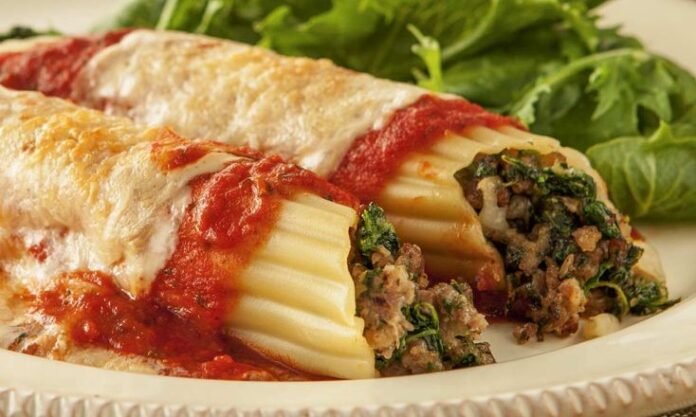
When you hear the word Mannacote, it might sound unfamiliar or even made up — but delve deeper and you’ll discover that this unconventional term carries rich meanings across several domains: from family dinner tables to eco‑friendly gardens, from brand names in the wellness space to modern technical coatings. Whether used as a cozy description of a beloved casserole‑style pasta, a sustainable fertilizer concept, or metaphorically as a symbol of nourishment and protection, Mannacote resonates with purpose, versatility, and tradition.
In this article, we’ll unpack what Mannacote means in different contexts, why it matters today, and how its story reflects broader trends in food culture, sustainability, wellness, and identity.
Origins of the Word “Mannacote”
The word Mannacote does not originate from traditional Italian vocabulary or a standard English dictionary. Instead, it emerged through cultural usage, linguistic evolution, and modern branding practices. Linguistically, the term appears to combine “manna” — associated with nourishment or divine food — with “coat”, suggesting a layer of protection or wrapping.
This dual interpretation — nourishment wrapped in protection — is what gives Mannacote its broad appeal and makes it meaningful in culinary, agricultural, wellness, and symbolic contexts.
Mannacote in the Kitchen: A Home‑Style Comfort Food
What Is Mannacote in Culinary Terms?
In many households — particularly in Italian‑American communities — Mannacote is used to refer to a comforting baked pasta dish. It is deeply connected to the well‑known Italian dish manicotti, but “Mannacote” carries with it a more nostalgic, homey, and family‑centric identity.
While the term might sound unusual to professional chefs, for many families it evokes memories of Sunday dinners, holidays, and gatherings where food serves as a bridge to loved ones and tradition.
Comparison: Mannacote, Manicotti, Cannelloni
| Dish | Description |
|---|---|
| Manicotti | Large tubular pasta stuffed with cheese or meat, baked in sauce |
| Cannelloni | Thinner pasta rolls filled and baked with sauce |
| Mannacote | A colloquial or blended version of the above — rich, comforting, and adaptable |
Though not a standardized dish in Italian cookbooks, Mannacote represents a rendition of stuffed pasta that thrives on personalization, family technique, and sentimental naming.
Classic Characteristics of Mannacote
At its heart, Mannacote (in the culinary sense) is:
-
Hearty and comforting — with thick sauce, cheese layers, and tender pasta.
-
Versatile — fillings can range from simple ricotta and herbs to meat, spinach, mushrooms, or mixed cheeses.
-
Home‑centric — often passed down as a family recipe rather than found in formal Italian culinary literature.
Typical Ingredients
A classic pasta‑style Mannacote dish might include:
-
Large pasta tubes or wide pasta sheets
-
Ricotta cheese mixed with mozzarella and Parmesan
-
Tomato‑based marinara sauce or creamy béchamel
-
Fresh herbs like basil, oregano, parsley
-
Optional additions: spinach, ground meat, mushrooms, roasted veggies
Preparation Overview
-
Boil the pasta until al dente.
-
Mix the filling — combine ricotta, herbs, and cheeses (plus optional ingredients).
-
Stuff or layer the pasta tubes or sheets.
-
Cover with sauce and sprinkle extra cheese.
-
Bake until golden and bubbly.
What makes Mannacote special is not just its flavor, but the way it invites community and shared enjoyment — a dish made for family dinners, potlucks, and celebrations alike.
Mannacote Beyond the Dining Table: Sustainable Gardening and Agriculture
What Is Mannacote in Gardening?
In the agricultural and gardening world, “Mannacote” has taken on an eco‑friendly identity as a natural, slow‑release fertilizer concept. Rather than being just a brand name, it is understood as a type of product or technology that feeds plants gradually, supports soil health, and reduces environmental impact.
Unlike chemical fertilizers that release nutrients too quickly — which can wash away with irrigation and harm water systems — Mannacote‑style fertilizers use a controlled release mechanism that sustains plant nutrition over time.
Benefits of Using Mannacote‑Style Fertilizers
-
Improves soil structure — organic matter enhances moisture retention and texture.
-
Encourages beneficial soil microbes — key for plant health.
-
Reduces nutrient loss — slow release prevents runoff and pollution.
-
Supports more nutritious crops — plants absorb nutrients steadily.
-
Convenient — fewer applications needed over a growing season.
By feeding plants gradually and mindfully, Mannacote‑inspired fertilizers are a favorite among organic gardeners and those seeking sustainable practices. It’s a contrast to old‑fashioned synthetic choices and fits into modern shifts toward ecological gardening.
Brand and Wellness Dimension: Mannacote as a Name and Concept
Mannacote as a Brand in the Wellness Space
In recent years, “Mannacote” has also been used as a brand name or wellness identity emphasizing natural health, transparency, and sustainability. These products tend to focus on clean, plant‑based ingredients, nutritional purity, and a philosophy grounded in harmonizing nature and modern wellness habits.
A brand using the name Mannacote typically promotes:
-
Natural sourcing and transparent labeling
-
Sustainable agriculture partnerships
-
Quality testing and certifications
-
Products aimed at digestion, immunity, and vitality
This reflects a larger trend in wellness where brands compete not just on efficacy, but on trust, authenticity, and ethical values.
Cultural and Symbolic Meaning of Mannacote
The story of Mannacote also has cultural and symbolic layers. As a phonetic variant of manicotti, it represents oral tradition, adaptation, and heritage — particularly in communities where language and food evolve side by side.
In social and cultural terms:
-
It symbolizes comfort and familial belonging.
-
It reflects adaptation and identity within immigrant communities.
-
It can be used metaphorically to represent protection, nourishment, and care — whether in branding, wellness, technical coatings, or social narratives.
This gives “Mannacote” a broader resonance beyond any single definition — it is not just a dish, fertilizer, or product; it is a concept about caring for what matters, whether people, plants, or ideas.
The Future of Mannacote: Trends and Possibilities
Given its wide range of meanings, Mannacote will likely continue to evolve:
-
In food culture, as a beloved home‑style dish and comfort food classic.
-
In sustainable agriculture, as controlled‑release fertilization becomes more popular.
-
In wellness branding, as consumers seek trust and transparency in products.
-
In language, as new meanings and uses emerge across digital and cultural spaces.
This ongoing evolution makes Mannacote much more than a mispronounced pasta name — it’s a word that grows with use, context, and community.
Conclusion
From the warm, cheesy layers of a homestyle pasta dinner to the careful, slow release of nutrients in an organic garden, Mannacote is a term that embraces nourishment, protection, and connection. Whether you heard it around the dinner table, encountered it in gardening discussions, or saw it as part of a wellness brand story, the essence of Mannacote remains the same — it embodies care, resilience, and timeless appeal.
In our increasingly interconnected and sustainability‑focused world, such concepts — rooted in tradition yet adaptive to modern innovation — hold special power. Mannacote is a reminder that nourishment can take many forms, and that what we name and cherish often shapes how we live.
5 Frequently Asked Questions About Mannacote
1. What exactly is Mannacote?
Mannacote is a versatile term with multiple meanings — most commonly a colloquial name for a baked pasta dish related to manicotti, and also a concept in sustainable fertilizer and wellness branding.
2. Is Mannacote the same as manicotti?
Not exactly — while they are closely related in culinary use and often refer to stuffed or baked pasta, Mannacote is more of a family‑driven naming variation rather than a strict Italian culinary term.
3. How does Mannacote help plants in gardening?
In gardening, Mannacote‑like products provide slow, controlled nutrient release that improves soil health and plant growth without the harmful impacts of fast‑acting chemical fertilizers.
4. Can Mannacote products help with human wellness?
In wellness branding, Mannacote is used for products that emphasize natural health benefits, clean ingredients, and nutritional support — though effects vary by product and usage.
5. Why is the term Mannacote gaining attention?
The term resonates because it blends cultural tradition, sustainable practice, and modern identity — making it meaningful in food, agriculture, lifestyle, and branding contexts.
