

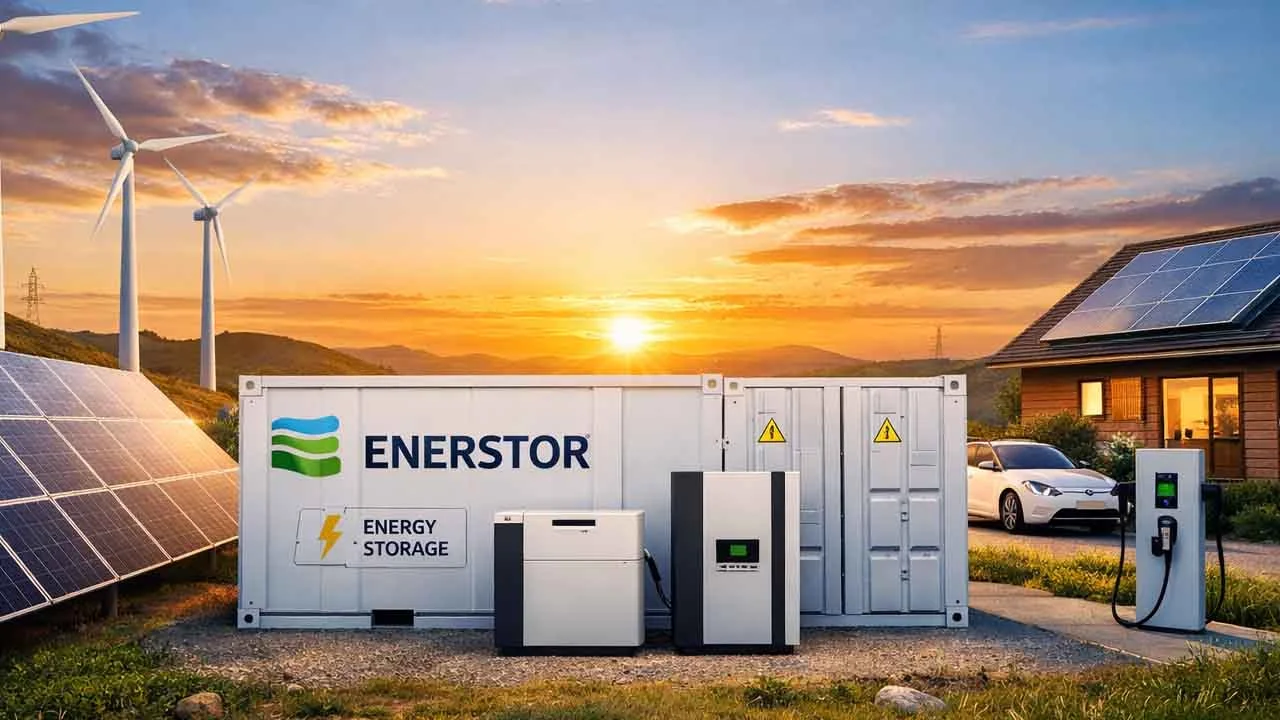
In today’s rapidly evolving world, the way energy is generated, stored, and used is undergoing a massive transformation. With the rise of renewable energy, fluctuating electricity demand, and increasing concerns about sustainability, energy storage has become essential for both individual users and massive power networks. At the heart of this transformation is Enerstor, a name that represents cutting‑edge solutions in energy storage, intelligent power management, and renewable system integration. Whether you are a homeowner looking to save on energy bills or a business planning to achieve energy independence, Enerstor is emerging as a vital player shaping the future of clean and reliable power systems.
Understanding Enerstor: The Key to Modern Energy Challenges
The term Enerstor refers to innovative energy storage systems and technologies designed to capture, save, and deliver power efficiently whenever it is needed. At its core, Enerstor works by storing excess energy—often from renewable sources like solar or wind—and releasing it at times when production is low or demand is high. This capability helps balance energy supply and demand, reduce waste, enhance grid stability, and cut energy costs for users across the board.
Energy storage is no longer optional; it has become critical as the world shifts away from traditional fossil fuels and toward renewable electricity generation. Enerstor bridges the gap between intermittent energy production and consistent power usage, enabling homes, businesses, and power grids to operate more reliably and sustainably.
Enerstor as a Company and Brand
While Enerstor describes a general category of energy storage technology, it is also used as a brand name by several companies in the clean energy sector. One notable example is Fox EnerStor, launched by Taiwanese electronics giant Foxconn to enter the global energy storage market with residential, commercial, and grid‑scale battery systems. The goal is to compete with established storage giants and lead the next wave of power innovation.
Separately, in Europe, companies using the Enerstor name focus on integrated renewable power systems, offering solar panels, battery storage systems, inverters, and smart power management tools designed for homes and businesses. These products are engineered to not only store energy but to improve efficiency, reduce dependency on traditional utility power, and support a cleaner energy future.
How Enerstor Works: A Step‑by‑Step Breakdown
At its simplest, Enerstor operates through three main stages:
1. Energy Collection
Energy is generated from clean sources such as solar panels or wind turbines. In some setups, Enerstor systems can also draw electricity from the grid during off‑peak hours when rates are lower.
2. Energy Storage
The collected energy is stored in advanced battery systems—often lithium‑ion or lithium iron phosphate (LFP) batteries—capable of retaining power efficiently until it is needed.
3. Energy Release & Management
When energy demand rises or production falls (like at night or during low wind periods), the system releases stored power to keep appliances, systems, or infrastructure running smoothly. Most Enerstor solutions include smart software that automatically decides the best time to store and release energy based on user behavior and grid conditions.
This intelligent approach maximizes efficiency, reduces electricity costs, and helps users avoid peak utility rates.
Core Technologies and Features of Enerstor Systems
Enerstor systems combine several state‑of‑the‑art technologies to deliver real‑world impact:
☑ Battery Energy Storage Systems (BESS)
These are large battery banks designed to store energy for later use. They range from smaller residential modules to large systems capable of supporting commercial and industrial loads.
☑ Smart Energy Management Software
Enerstor hardware is often paired with software that monitors real‑time energy use, forecasts demand, and automates energy flow to improve efficiency and reduce waste.
☑ Scalability & Modular Design
Enerstor solutions are scalable: users can expand their system as energy needs grow, from powering a single home to supporting facility‑level loads or even contributing to grid‑level storage.
☑ Integrated System Architecture
Instead of selling separate components, Enerstor systems are engineered to work together as a cohesive ecosystem—making setup, monitoring, and optimization easier for users.
Applications of Enerstor Systems
Enerstor’s versatility means it can support a wide range of applications:
Residential Use
In homes with solar systems, Enerstor stores excess energy during the day and delivers it at night or during outages, lowering utility bills and improving energy independence.
Commercial & Industrial Use
Businesses use Enerstor to shave peak demand charges, maintain operations during grid disruptions, and support sustainability goals.
Utility & Grid Support
Large Enerstor installations help balance electricity grids, manage renewable generation fluctuations, and contribute to frequency regulation and other ancillary services.
Remote & Off‑Grid Installations
In areas with unreliable grids or no connection to a central utility, Enerstor solutions can provide reliable power for critical infrastructure such as hospitals, telecom towers, and island microgrids.
Benefits of Choosing Enerstor
Enerstor delivers several key advantages:
🌍 Enhanced Energy Independence
Reduces reliance on traditional grid power by storing and using your own energy intelligently.
💰 Lower Energy Costs
Store electricity when rates are low and use it when prices peak, cutting utility expenses.
⚡ Reliable Backup Power
Provides continued electricity during outages or grid instability.
📈 Scalable & Flexible Systems
Expandable design allows adaptation from small homes to large industrial facilities.
🌱 Environmentally Sustainable
Boosts renewable energy use and helps reduce greenhouse gas emissions compared to fossil fuel backup sources.
Challenges and Considerations
Despite its potential, Enerstor and energy storage overall face challenges:
- High Initial Investment: Large storage systems can require significant upfront capital.
- Technology Complexity: Proper installation, maintenance, and integration require expertise.
- Regulatory Variation: Incentives and grid integration policies vary by region.
- Supply Chain Constraints: Dependence on battery materials can affect costs and availability.
Conclusion
Enerstor represents a powerful shift in how we approach energy generation, storage, and usage. By marrying advanced battery technology with intelligent software and scalable system design, Enerstor provides a practical pathway toward energy independence, lower costs, and cleaner power everywhere—from homes to entire grids. As the world transitions more deeply into renewable energy, solutions like Enerstor systems will play an increasingly central role in ensuring reliability, sustainability, and affordability for generations to come.
5 Relevant FAQs About Enerstor
1. What is Enerstor?
Enerstor refers to modern energy storage solutions and systems that capture, retain, and dispatch electricity for later use, often integrating solar generation and smart control features.
2. How does Enerstor help homeowners?
It allows homeowners to store excess solar energy, lower energy bills, provide backup power, and increase energy independence from grid utilities.
3. Can Enerstor be used on a large‑scale grid level?
Yes. Enerstor systems are scalable and can be implemented in utility grids to support stability, renewable integration, and demand management.
4. Is Enerstor only about batteries?
While batteries are central, Enerstor also includes smart software and can integrate with other storage forms like thermal or hybrid systems in certain applications.
5. Why is energy storage important today?
Energy storage ensures that power is available when generation from renewables fluctuates, helps reduce emissions, stabilizes grids, and improves energy reliability overall.
