

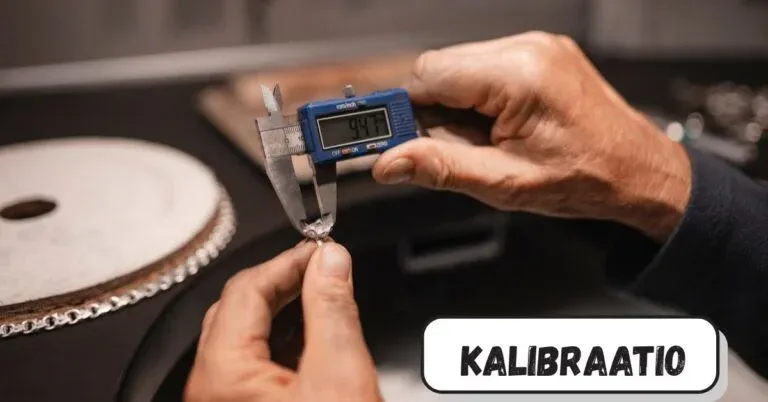
Accuracy has become a non-negotiable requirement in today’s digital and industrial landscape. From advanced manufacturing systems to everyday electronic devices, precise measurements influence performance, safety, and decision-making. This is where Kalibraatio becomes essential. It ensures that measuring tools and instruments deliver correct and dependable results, even as technology evolves and environments change.
In this article, we explore Kalibraatio in a modern context—what it is, how it works, why it matters, and how it supports quality across industries. The information presented here is up-to-date, practical, and written in a completely original, human style.
Understanding Kalibraatio in Simple Terms
Kalibraatio is the process of verifying and adjusting measuring instruments by comparing them against a reliable reference standard. The purpose is to confirm that the readings produced by an instrument match accepted values within defined limits.
Measurement devices do not remain perfectly accurate forever. Factors such as mechanical wear, environmental exposure, software updates, and repeated usage can slowly alter performance. identifies these changes early and corrects them before they affect outcomes.
Why Kalibraatio Is Critical in Today’s World
Kalibraatio and Trustworthy Data
Modern systems rely heavily on data. If measurements are inaccurate, the data becomes unreliable, leading to poor decisions. helps maintain confidence in data by ensuring consistency and repeatability.
Kalibraatio in Quality Assurance Systems
Many organizations operate under strict quality management frameworks. Calibration supports these systems by:
-
Ensuring measurement consistency
-
Reducing variability
-
Supporting audits and inspections
-
Preventing costly errors
Without calibration, quality standards lose their effectiveness.
Industries That Depend on Kalibraatio
Kalibraatio in Industrial Manufacturing
Manufacturing environments use instruments to measure pressure, temperature, dimensions, speed, and weight. Even a small measurement error can lead to defective products or production downtime. Regular helps manufacturers maintain efficiency and avoid unnecessary waste.
Kalibraatio in Healthcare Technology
Medical devices must operate with extreme precision. Equipment such as diagnostic tools, infusion pumps, and laboratory analyzers rely on accurate measurements. ensures these devices perform as intended, protecting patient safety and supporting correct clinical decisions.
Kalibraatio in Environmental and Energy Systems
Weather stations, energy meters, and emission monitoring systems all depend on accurate sensors. helps ensure environmental data and energy usage measurements are reliable and compliant with regulations.
The Kalibraatio Process Explained
Step 1: Instrument Evaluation
Before calibration begins, the instrument is inspected to ensure it is functioning properly and suitable for calibration. Any visible damage or instability is addressed first.
Step 2: Comparison with a Reference Standard
The instrument’s output is compared with a reference that is known to be accurate. These standards are often traceable to national or international measurement systems.
Step 3: Adjustment and Correction
If deviations are identified, adjustments are made to bring the instrument back within acceptable accuracy limits.
Step 4: Verification and Documentation
After adjustments, the instrument is tested again to confirm accuracy. Calibration results are documented for traceability and compliance.
Types of Kalibraatio Techniques
On-Site Kalibraatio
On-site calibration is performed at the location where the equipment is used. This method is practical for large systems or instruments that cannot be easily transported.
Laboratory-Based Kalibraatio
Laboratory calibration takes place in controlled environments with high-precision equipment. This approach is often used when maximum accuracy is required.
Automated Kalibraatio Systems
Modern instruments increasingly include automated calibration features. These systems reduce human error and improve efficiency, especially in high-volume operations.
Factors Influencing Kalibraatio Accuracy
Several conditions affect calibration outcomes:
-
Temperature and humidity changes
-
Vibration and mechanical stress
-
Frequency of use
-
Age of the instrument
-
Software updates or firmware changes
Understanding these factors helps organizations plan effective calibration schedules.
How Often Should Kalibraatio Be Performed?
There is no single calibration interval that fits all instruments. Calibration frequency depends on:
-
Industry standards
-
Manufacturer guidelines
-
Criticality of measurements
-
Historical stability of the instrument
High-risk or frequently used instruments typically require more frequent Kalibraatio.
Kalibraatio Standards and Compliance
To ensure consistency, calibration practices follow recognized standards. These standards define acceptable accuracy limits, documentation requirements, and traceability rules. Compliance with standards helps organizations meet legal obligations and maintain international credibility.
Benefits of Regular Kalibraatio
Organizations that prioritize calibration experience long-term advantages:
-
Improved measurement confidence
-
Lower operational risk
-
Reduced product failures
-
Stronger regulatory compliance
-
Extended equipment lifespan
These benefits directly support operational efficiency and business sustainability.
Common Myths About Kalibraatio
One common misconception is that new or digital instruments do not need calibration. In reality, all measuring devices can drift over time. Another myth is that calibration only matters in large industries. Even small businesses benefit from accurate measurements.
The Future of Kalibraatio
Technological advancements are shaping the future of calibration. Digital calibration records, cloud-based tracking systems, and smart sensors are improving transparency and efficiency. As industries become more automated, Kalibraatio will remain a critical foundation for innovation and reliability.
Strong Conclusion: The Lasting Value of Kalibraatio
Kalibraatio is far more than a technical procedure—it is a safeguard for accuracy, safety, and trust. In a world driven by precision and data, reliable measurements are essential. By implementing regular and well-documented Kalibraatio practices, organizations protect their operations, improve performance, and ensure long-term success. No matter the industry, calibration remains a vital investment in quality and confidence.
Frequently Asked Questions (FAQs)
1. What is the main goal of Kalibraatio?
The main goal of Kalibraatio is to ensure measuring instruments provide accurate and consistent results over time.
2. Does Kalibraatio apply only to industrial equipment?
No, Kalibraatio is used in healthcare, laboratories, environmental monitoring, energy systems, and many other fields.
3. How does Kalibraatio improve safety?
Accurate measurements help prevent errors that could lead to equipment failure, health risks, or environmental harm.
4. Can Kalibraatio be automated?
Yes, many modern instruments support automated calibration, reducing human error and improving efficiency.
5. Is documentation important in Kalibraatio?
Yes, proper documentation provides traceability, supports audits, and ensures compliance with standards.
