

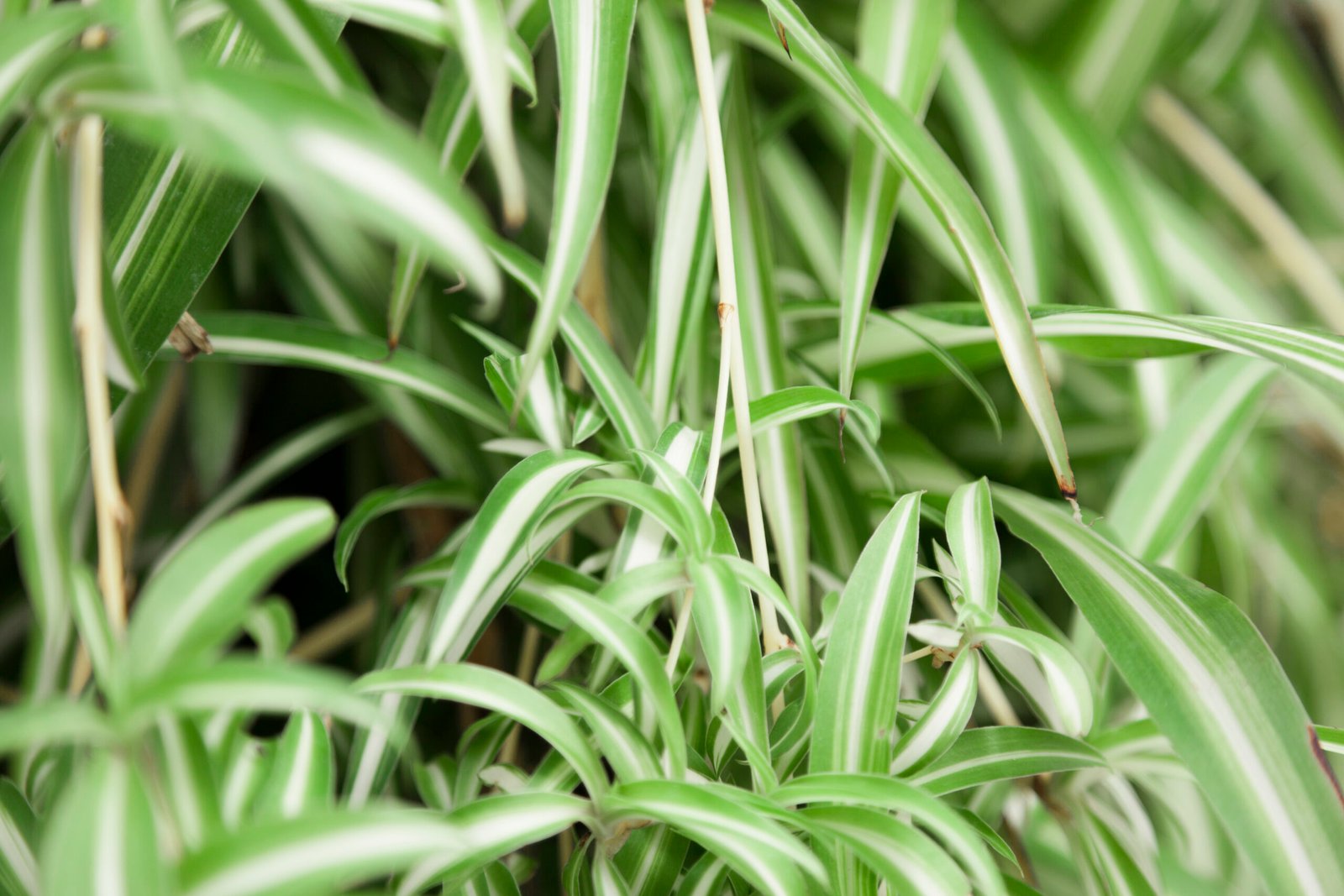
Lyposingrass is gaining attention as a unique and emerging plant concept connected to wellness, sustainability, and innovative agricultural thinking. As people shift toward natural and eco-conscious lifestyles, interest in lesser-known botanical resources like Lyposingrass continues to grow. Unlike traditional grasses used only for landscaping or fodder, Lyposingrass is discussed for its functional value, adaptability, and potential applications across multiple fields.
This article provides an in-depth and up-to-date look at , covering its background, benefits, practical uses, environmental impact, and future relevance.
What Exactly Is Lyposingrass?
Lyposingrass refers to a specialized plant variety recognized for its robust growth and biologically active properties. It is often associated with plant-based wellness discussions and sustainable farming methods due to its low-maintenance nature and regenerative characteristics.
Unlike ornamental or turf grasses, is cultivated with purpose. Its composition and growth behavior make it suitable for nutritional exploration, soil support, and eco-friendly solutions. While research is still expanding, early findings highlight its versatility and resilience.
Origins and Natural Growth Environment of Lyposingrass
Lyposingrass is known for thriving in diverse environmental conditions. It adapts well to regions with moderate temperatures and does not demand intensive agricultural inputs.
Ideal Growing Conditions
-
Loamy or sandy soil with proper drainage
-
Moderate sunlight exposure
-
Minimal chemical fertilizers
-
Consistent but light watering
Its ability to flourish in less fertile soil makes appealing for regions where conventional crops struggle.
Nutritional and Functional Properties of Lyposingrass
One reason attracts interest is its natural composition. While not marketed as a miracle plant, it contains elements that support balanced living when used responsibly.
Key Characteristics
-
Rich plant fibers
-
Naturally occurring antioxidants
-
Trace minerals
-
Enzyme-supportive compounds
These properties position as a functional plant rather than a decorative one.
Health-Related Benefits of Lyposingrass
Supporting Daily Wellness
Lyposingrass is often included in discussions about natural lifestyle support. It may complement healthy routines by contributing plant-based nutrients without harsh effects.
Potential Lifestyle Advantages
-
Supports digestive comfort
-
Encourages natural detox processes
-
Fits well into plant-focused diets
-
Gentle on the system when consumed moderately
While is not a medical solution, it aligns well with preventative and wellness-oriented habits.
Practical Uses of Lyposingrass
Lyposingrass stands out because it can be used across different industries without heavy processing.
Lyposingrass in Wellness and Nutrition
-
Herbal powders
-
Infused beverages
-
Natural blends
-
Plant-based supplements
Lyposingrass in Agriculture and Sustainability
-
Soil improvement
-
Crop rotation support
-
Compost enrichment
-
Erosion prevention
These uses demonstrate how fits into both personal wellness and large-scale environmental efforts.
How to Grow Lyposingrass Effectively
Growing does not require advanced farming skills, making it accessible to beginners and small-scale growers.
Step-by-Step Growing Process
-
Prepare soil with organic matter
-
Sow seeds evenly
-
Water lightly and consistently
-
Allow adequate sunlight
-
Trim periodically to promote regrowth
Because of its durability, often rebounds quickly after harvesting.
Environmental Value of Lyposingrass
Lyposingrass contributes positively to environmental sustainability. Its growth habits reduce strain on natural resources while improving soil conditions.
Environmental Benefits
-
Low water requirements
-
Enhances soil structure
-
Supports biodiversity
-
Reduces land degradation
These qualities make suitable for regenerative farming systems and climate-conscious initiatives.
Lyposingrass and Modern Research
Researchers and agricultural innovators are beginning to explore for broader applications. Interest continues to grow in areas such as:
-
Sustainable crop development
-
Plant-based nutrition systems
-
Eco-friendly farming practices
-
Natural bio-compound research
As awareness increases, may play a role in future plant innovation strategies.
Safety, Usage, and Considerations
Lyposingrass is generally considered safe when used appropriately. However, responsible sourcing and moderation are essential.
Important Considerations
-
Purchase from trusted suppliers
-
Introduce gradually into routines
-
Avoid excessive consumption
-
Consult professionals if unsure
These steps help ensure a positive and balanced experience.
The Growing Popularity of Lyposingrass
As consumers seek alternatives to resource-intensive crops, is emerging as a practical solution. Its adaptability, environmental benefits, and functional properties align with global trends toward sustainability and wellness.
From small gardens to larger agricultural projects, continues to gain relevance.
Conclusion: Why Lyposingrass Matters Today
Lyposingrass represents a shift toward thoughtful plant usage and sustainable living. Its ability to support wellness, improve soil health, and thrive with minimal resources makes it a valuable addition to modern conversations about the future of agriculture and natural living.
As research expands and awareness grows, may become an important component of eco-friendly solutions worldwide.
Frequently Asked Questions (FAQs)
1. What is Lyposingrass commonly used for?
Lyposingrass is used in wellness products, sustainable farming, and soil improvement initiatives.
2. Is Lyposingrass suitable for beginners to grow?
Yes, is easy to cultivate and does not require advanced gardening skills.
3. Can Lyposingrass support environmental sustainability?
Yes, it improves soil quality and requires fewer natural resources than many traditional crops.
4. Is Lyposingrass safe for regular use?
When sourced responsibly and used in moderation, Lyposingrass is generally safe.
5. Why is Lyposingrass gaining popularity?
Its adaptability, eco-friendly nature, and potential wellness benefits make it appealing in modern lifestyles.
