

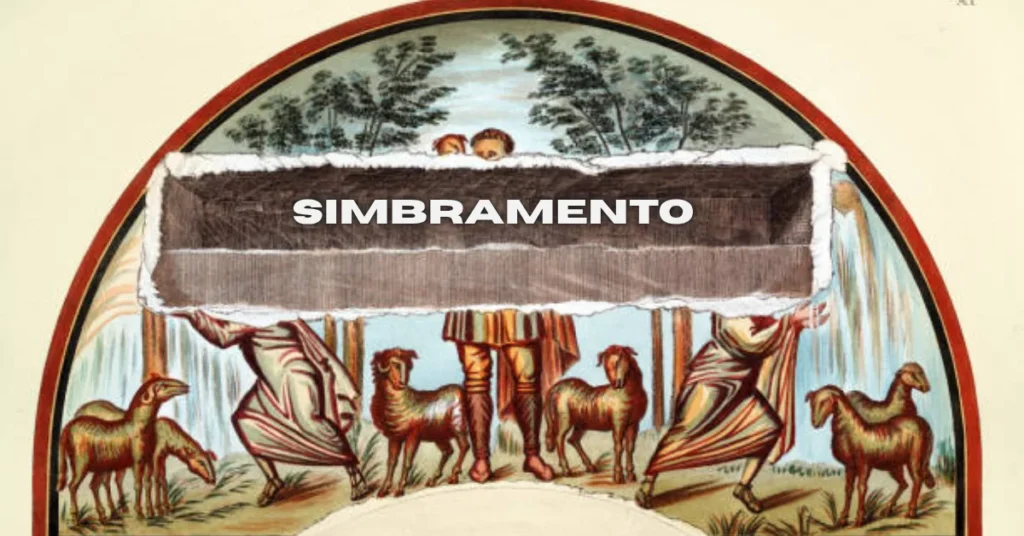
Simbramento is a centuries-old pastoral practice rooted in mountain agriculture, representing a seasonal movement of livestock between valleys and high-altitude pastures. Deeply embedded in rural European culture, Simbramento reflects a harmonious relationship between humans, animals, and the environment. While modern farming methods have evolved, this traditional system continues to symbolize sustainability, resilience, and cultural identity in alpine communities.
Originating in mountainous regions of Italy and neighboring territories, Simbramento is more than just livestock migration. It is a carefully organized agricultural rhythm that aligns with natural cycles, ensuring optimal grazing while preserving ecological balance. Today, as sustainability becomes a global concern, renewed interest in Simbramento highlights its relevance in contemporary agriculture.
The Historical Roots of Simbramento
Early Origins of Simbramento in Mountain Communities
The practice of Simbramento dates back to medieval times, when rural populations depended heavily on livestock for survival. Farmers moved cattle, sheep, and goats from lowland farms to higher alpine meadows during warmer months. This seasonal transition allowed animals to graze on nutrient-rich mountain grass while freeing valley lands for crop cultivation.
Historical records suggest that Simbramento was particularly widespread in the Alps, where geography demanded innovative agricultural solutions. The rugged terrain made year-round grazing in a single location impractical. As a result, communities developed structured systems to coordinate livestock movement, ensuring efficiency and fairness among herders.
Simbramento as a Community Tradition
Beyond agriculture, Simbramento evolved into a social institution. Entire villages participated in planning and executing seasonal migrations. Families shared responsibilities, established grazing rights, and followed established routes that were passed down through generations.
The beginning and end of Simbramento were often marked by celebrations, religious blessings, and communal feasts. These traditions reinforced social bonds and emphasized the shared dependence on livestock for economic stability.
How Simbramento Works: The Seasonal Cycle
Spring Departure and Preparation
The Simbramento cycle typically begins in late spring. Farmers prepare livestock for the journey by checking their health, organizing herds, and coordinating with neighboring families. Routes are planned carefully to avoid overgrazing and ensure safe passage through mountain paths.
During this stage, herders also repair alpine huts and storage facilities located in high-altitude pastures. These temporary settlements serve as operational bases throughout the grazing season.
Summer Grazing in Alpine Pastures
At the heart of Simbramento is the summer grazing period. Livestock feed on fresh mountain grasses, which are often richer in nutrients than valley forage. This natural diet contributes to higher-quality dairy products, including cheeses and butter known for distinctive alpine flavors.
In regions such as Lombardy, particularly the valley of Valtellina, Simbramento has historically supported local cheese production. The altitude and biodiversity of mountain meadows play a crucial role in shaping the taste and quality of these traditional products.
Herders remain in the mountains for several months, monitoring animal health and managing pasture rotation. Their work requires deep ecological knowledge, including weather patterns, plant cycles, and terrain navigation.
Autumn Return to the Valleys
As temperatures drop and snow begins to appear at higher elevations, Simbramento enters its final phase. Livestock are guided back to valley farms, where they spend the winter months sheltered from harsh alpine conditions.
The return journey is often ceremonial. Decorated animals, traditional clothing, and music accompany the descent, transforming the practical movement of livestock into a cultural celebration. These events attract visitors and reinforce regional identity.
The Environmental Significance of Simbramento
Sustainable Land Management
One of the most compelling aspects of Simbramento is its environmental sustainability. By rotating grazing areas seasonally, the system prevents overexploitation of valley lands and allows ecosystems to regenerate naturally.
Mountain pastures benefit from moderate grazing, which helps maintain plant diversity and reduces the risk of shrub overgrowth. This controlled grazing supports biodiversity and minimizes soil erosion.
Climate Adaptation and Ecological Balance
Simbramento aligns agricultural practices with natural climate patterns. Instead of forcing year-round production in one location, the system adapts to seasonal changes. This flexibility reduces pressure on resources and enhances resilience against environmental challenges.
In modern discussions about climate-smart agriculture, Simbramento offers valuable lessons. Its reliance on natural forage reduces dependence on imported feed, lowering carbon footprints and supporting local self-sufficiency.
Economic Importance of Simbramento
Supporting Rural Economies
For many alpine communities, Simbramento remains an economic pillar. Dairy products derived from mountain-grazed livestock often command premium prices due to their quality and authenticity. This economic advantage encourages the preservation of traditional methods.
Small-scale farmers particularly benefit from Simbramento because it allows them to maximize limited land resources. Valley fields can be used for crops while animals graze elsewhere, increasing overall productivity.
Tourism and Cultural Heritage
In recent decades, Simbramento has gained attention as a cultural attraction. Seasonal livestock movements draw tourists interested in experiencing authentic rural traditions. Festivals associated with Simbramento promote local crafts, cuisine, and music, contributing to diversified income streams for mountain villages.
Heritage tourism tied to Simbramento also raises awareness about sustainable farming practices and rural preservation.
Simbramento in Modern Times
Challenges Facing Simbramento
Despite its cultural and environmental value, Simbramento faces significant challenges. Urbanization, industrial agriculture, and declining rural populations threaten its continuity. Younger generations often pursue careers outside agriculture, reducing the number of skilled herders.
Infrastructure development can also disrupt traditional migration routes. In some cases, regulations and land ownership changes complicate access to alpine pastures.
Revival and Policy Support
Recognizing its importance, regional governments and agricultural organizations have implemented programs to support Simbramento. Financial incentives, heritage recognition, and sustainable agriculture initiatives encourage farmers to maintain the practice.
Cross-border cooperation with areas in Switzerland has also strengthened alpine pastoral traditions. Shared knowledge and collaborative policies help preserve the ecological and cultural integrity of mountain farming systems.
Cultural Identity and Symbolism of Simbramento
A Living Heritage
Simbramento represents more than agricultural efficiency; it symbolizes continuity and respect for ancestral knowledge. Each migration season carries stories, songs, and rituals that connect present-day communities to their past.
In many villages, children learn about Simbramento through school programs and family participation. This educational aspect ensures that practical skills and cultural meanings are transmitted across generations.
Community Cooperation and Shared Responsibility
At its core, Simbramento depends on collaboration. Shared grazing lands require collective decision-making, conflict resolution, and mutual trust. These social dynamics strengthen community cohesion and reinforce local governance traditions.
In an era of increasing individualization, Simbramento stands as a reminder of cooperative rural values.
Technological Integration with Simbramento
Modern Tools Enhancing Traditional Practices
While rooted in tradition, Simbramento has adapted to modern technology. GPS tracking systems help monitor herds during migration. Veterinary advancements improve animal welfare, and improved transportation infrastructure ensures safer routes.
Importantly, these innovations do not replace the fundamental principles of Simbramento. Instead, they enhance efficiency while preserving the seasonal movement pattern that defines the practice.
Balancing Innovation and Tradition
The future of Simbramento depends on balancing modernization with authenticity. Over-mechanization could undermine its ecological benefits, while resistance to innovation may limit economic viability. Successful communities integrate new tools without abandoning the seasonal rhythm that sustains the system.
Why Simbramento Matters Today
As global agriculture faces sustainability challenges, Simbramento offers a compelling model rooted in ecological harmony. It demonstrates how traditional knowledge can inform modern solutions.
By promoting biodiversity, reducing environmental strain, and strengthening rural economies, Simbramento aligns with contemporary sustainability goals. Its resilience over centuries suggests that adaptive, community-based systems may hold the key to long-term agricultural stability.
Moreover, Simbramento fosters a sense of belonging and cultural pride. In rapidly changing societies, maintaining such traditions provides continuity and identity.
Conclusion: The Enduring Legacy of Simbramento
Simbramento is far more than a seasonal livestock movement. It is a living testament to human adaptability, ecological awareness, and community cooperation. From its medieval origins in alpine regions to its modern revival as a sustainable agricultural model, Simbramento continues to shape landscapes and livelihoods.
In a world increasingly concerned with environmental degradation and food security, this ancient practice offers valuable insights. By aligning agricultural activity with natural cycles, Simbramento demonstrates that productivity and sustainability need not be opposing forces.
Preserving Simbramento means safeguarding cultural heritage, supporting rural communities, and promoting environmentally responsible farming. Its enduring relevance reminds us that sometimes the most innovative solutions are rooted in tradition.
Frequently Asked Questions (FAQs)
1. What is Simbramento?
Simbramento is a traditional alpine pastoral practice involving the seasonal movement of livestock from valley farms to high-altitude mountain pastures during warmer months.
2. Where did Simbramento originate?
Simbramento originated in alpine regions of northern Italy and neighboring mountain territories, where geography required seasonal adaptation for livestock grazing.
3. Why is Simbramento important for the environment?
Simbramento promotes sustainable land use by rotating grazing areas, preserving biodiversity, reducing soil erosion, and lowering reliance on industrial feed systems.
4. Is Simbramento still practiced today?
Yes, Simbramento continues in several alpine communities. Although modernization has reduced its prevalence, cultural preservation efforts and sustainable agriculture initiatives support its continuation.
5. How does Simbramento benefit local economies?
Simbramento enhances dairy quality, supports heritage tourism, and allows small-scale farmers to maximize land use efficiently, contributing to rural economic resilience.
