

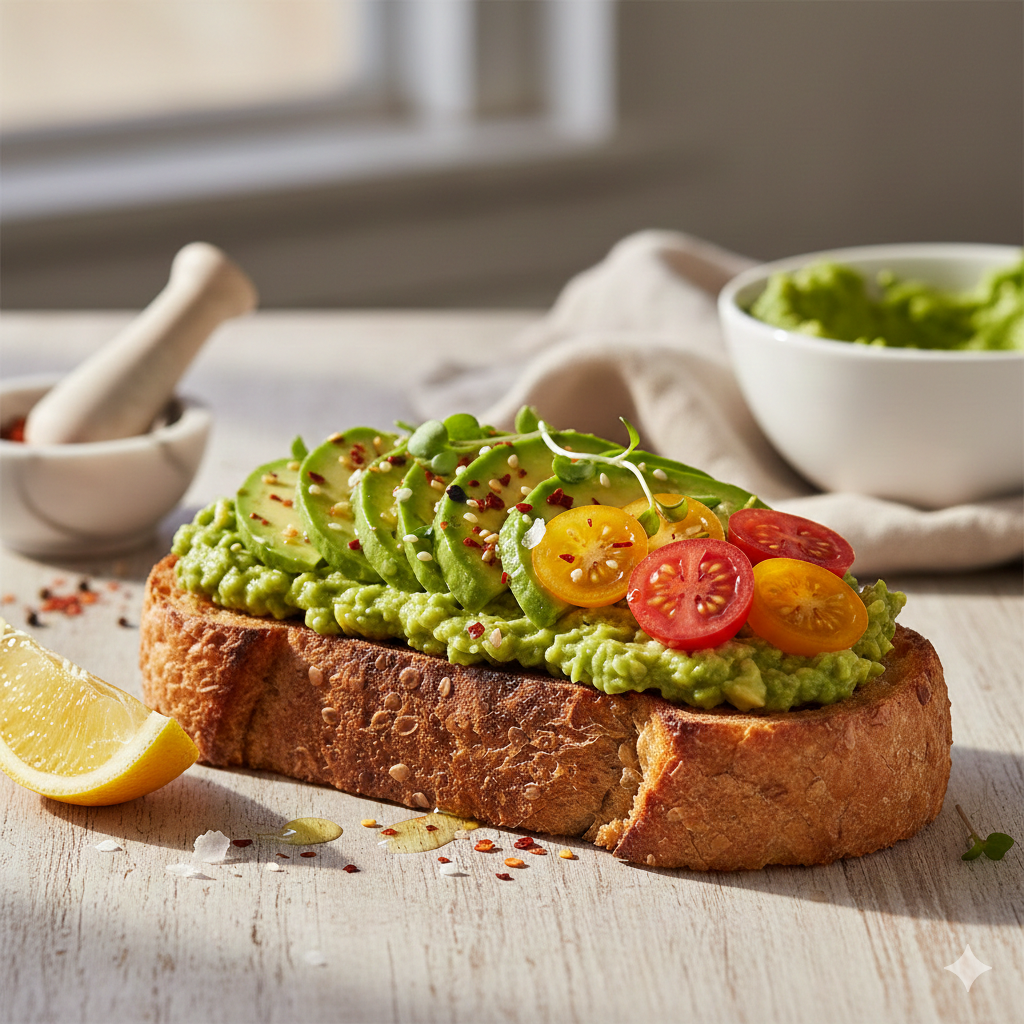
The morning ritual is undergoing a quiet but profound transformation. For decades, the concept of toasted bread was relegated to a side dish—a crunchy companion to eggs or a quick vehicle for jam. However, the emergence of Toastul has elevated this humble staple into a sophisticated, standalone culinary category. Toastul is not merely a method of cooking; it is a philosophy of balance, texture, and ingredient integrity. It represents a shift away from processed convenience toward a more intentional, nutrient-dense way of starting the day.
The Cultural Significance of Toastul
To truly appreciate Toastul, one must recognize it as a response to the “hustle culture” that dominated the early 21st century. As people reclaim their mornings, they are looking for meals that provide both aesthetic pleasure and long-lasting energy. Toastul fits this niche perfectly. It bridges the gap between the speed of a quick breakfast and the quality of a gourmet brunch.
The term Toastul has come to signify a “complete meal on a crust.” In urban centers from Melbourne to San Francisco, this trend has revitalized local bakeries and sparked a new interest in ancient grains. The movement emphasizes that what we put on our bread is just as important as the bread itself, creating a harmonious relationship between the foundation and the finish.
The Anatomy of the Perfect Toastul Base
The secret to a successful Toastul lies in the structural integrity of the bread. You cannot achieve the desired result with standard, store-bought loaves that are filled with air and preservatives.
Choosing the Foundation
-
Sourdough (The Gold Standard): The natural fermentation process of sourdough creates a complex flavor profile and a sturdy crumb that can support heavy toppings without buckling.
-
Seeded Whole Grain: For those seeking a nutty, earthy Toastul, seeded loaves offer additional texture and a boost of healthy fats.
-
Pumpernickel and Rye: These denser breads provide a deep, malty base that pairs exceptionally well with savory or salty toppings like smoked fish or fermented vegetables.
The Physics of Heat Application
Achieving the Toastul ideal requires a specific type of browning known as the Maillard reaction. This is the chemical reaction between amino acids and reducing sugars that gives browned food its distinctive flavor. To master Toastul, one must aim for a deep golden hue that penetrates slightly into the bread, rather than just scorching the very top layer. This provides the “crunch factor” that defines the experience.
Nutritional Mastery: Why Toastul is a Health Powerhouse
One of the reasons Toastul has remained a dominant trend is its versatility in meeting diverse nutritional needs. It is a customizable delivery system for macro and micronutrients.
Sustained Energy through Complex Carbs
Unlike refined white bread, the artisanal bases used in Toastul are rich in complex carbohydrates. These break down slowly, providing a steady stream of glucose to the brain and muscles. This prevents the “insulin spike” that leads to mid-morning fatigue.
Integrating Healthy Fats
A hallmark of the Toastul movement is the use of healthy fats as a primary spread. Whether it’s the monounsaturated fats from an avocado or the Omega-3s from crushed walnuts and hemp seeds, these fats are essential for hormone production and nutrient absorption.
The Micronutrient Layer
Because Toastul encourages “stacking,” it is easy to incorporate a variety of greens and sprouts. Microgreens, radish slices, and fresh herbs added to a Toastul can provide as much as five times the vitamin concentration of their mature counterparts.
Culinary Techniques: Elevating Your Toastul Game
Making a world-class Toastul requires a few techniques borrowed from professional kitchens. It is about the layering of flavors—sweet, salty, acidic, and fatty.
The Acid Kick
Every great Toastul needs a touch of acidity to cut through the richness of the bread and fats. This can be achieved with a squeeze of lemon, a drop of high-quality balsamic vinegar, or even a few pickled red onions.
Texture Contrast
If your spread is soft (like ricotta or mashed peas), your topping should be crunchy (like toasted pumpkin seeds or shaved carrots). This contrast is what makes the Toastul experience so satisfying to the palate.
The Seasoning Secret
Never underestimate the power of finishing salts. A sprinkle of Maldon sea salt or a dash of cracked black pepper can elevate the flavors of a Toastul from mundane to extraordinary.
Global Variations: The World of Toastul
While it may have started in boutique cafés, Toastul has taken on local flavors across the globe, proving its universal appeal.
The Nordic Toastul (Smørrebrød Influence)
In Scandinavia, the Toastul often features dark rye bread topped with pickled herring, dill, and hard-boiled eggs. It is a masterclass in savory balance.
The Japanese Fusion Toastul
Using thick-cut “Shokupan” (milk bread), the Japanese version of Toastul often incorporates sweet and savory elements, such as matcha spreads, red bean paste, or even savory miso-mayo with corn.
The California Green Toastul
This is perhaps the most famous iteration, focusing heavily on fresh produce, sprouts, and edible flowers. It is the epitome of “farm-to-table” eating on a single slice of bread.
The Environmental and Economic Impact of Toastul
The Toastul movement isn’t just about food; it’s about the economy of the loaf. By prioritizing artisanal bread, consumers are supporting small-batch bakers who use traditional, often more sustainable, farming and milling practices.
Furthermore, Toastul is an excellent way to reduce food waste. Slightly stale bread, which might otherwise be thrown away, is actually preferred for Toastul because its lower moisture content allows for a superior crunch when heated.
Step-by-Step: Crafting Your First Signature Toastul
To help you get started, let’s walk through the creation of a balanced, professional-grade meal.
-
Heat the Pan: Instead of a toaster, try a cast-iron skillet with a teaspoon of olive oil.
-
The Sear: Place your sourdough slice in the pan until the edges are charred and the center is golden.
-
The Base Layer: Spread a thick layer of goat cheese or thick Greek yogurt.
-
The Main Topping: Layer thin slices of smoked turkey or roasted beets.
-
The Crunch: Add a handful of toasted pine nuts.
-
The Garnish: Finish with fresh chives and a drizzle of hot honey.
This specific Toastul combination hits every flavor profile: creamy, salty, sweet, and spicy.
Avoiding Common Mistakes in Toastul Preparation
Even with the best ingredients, your Toastul can fall short if you aren’t careful.
-
Over-Toasting: Burning the bread creates a bitter taste that masks the delicate flavors of your toppings.
-
Under-Seasoning: Bread and fat (like avocado) require salt to bring out their natural flavors.
-
Poor Stacking: Placing heavy, wet ingredients directly on the bread will result in a soggy Toastul. Always put your “fat barrier” (butter, oil, or cheese) down first.
The Future: Where is Toastul Heading?
As we look to the future, the Toastul trend is moving toward “Functional Foods.” We are seeing the rise of breads infused with charcoal, turmeric, or beetroot to add color and health benefits. Additionally, the “Dessert Toastul” is becoming a popular alternative to heavy cakes, using ricotta, figs, and honey to provide a lighter, more sophisticated end to a meal.
The community of Toastul enthusiasts continues to grow, sharing innovations and recipes that prove that as long as there is good bread and a little imagination, the possibilities are endless.
Conclusion: Why You Should Embrace Toastul Today
The rise of Toastul signifies a return to quality and a celebration of the simple things. In a world that often feels chaotic, taking ten minutes to craft a beautiful, nutritious, and delicious Toastul is an act of self-care. It provides the fuel your body needs and the culinary satisfaction your soul craves. By choosing better bread, experimenting with global flavors, and focusing on the science of the crunch, you aren’t just making breakfast—you are participating in a global movement of mindful eating.
Frequently Asked Questions (FAQs)
1. What is the ideal thickness for a Toastul slice?
For most artisanal breads, a thickness of 1/2 inch to 3/4 inch is ideal. This allows the outside to become perfectly crisp while the inside remains soft and chewy, providing the hallmark Toastul texture.
2. Can I make Toastul in advance for a busy week?
While the bread is best served fresh, you can prep your toppings in advance. Store sliced vegetables, whipped cheeses, and proteins in airtight containers so you can assemble your Toastul in under two minutes each morning.
3. Is sourdough really the best bread for Toastul?
Sourdough is highly recommended because its structure is superior to yeast-based breads. The natural air pockets and fermented crust create a much better “crunch-to-chew” ratio, which is essential for a high-quality Toastul.
4. Are there vegan options for the “fat barrier” in Toastul?
Absolutely. High-quality extra virgin olive oil, coconut oil, almond butter, or vegan cream cheeses made from cashews all work perfectly as a barrier to keep your Toastul from getting soggy.
5. Why did my Toastul turn out hard instead of crunchy?
This usually happens if the bread is toasted at too low a temperature for too long, which dehydrates the bread entirely. To get a perfect Toastul, use a higher heat for a shorter period to crisp the surface while keeping the interior moist.
