

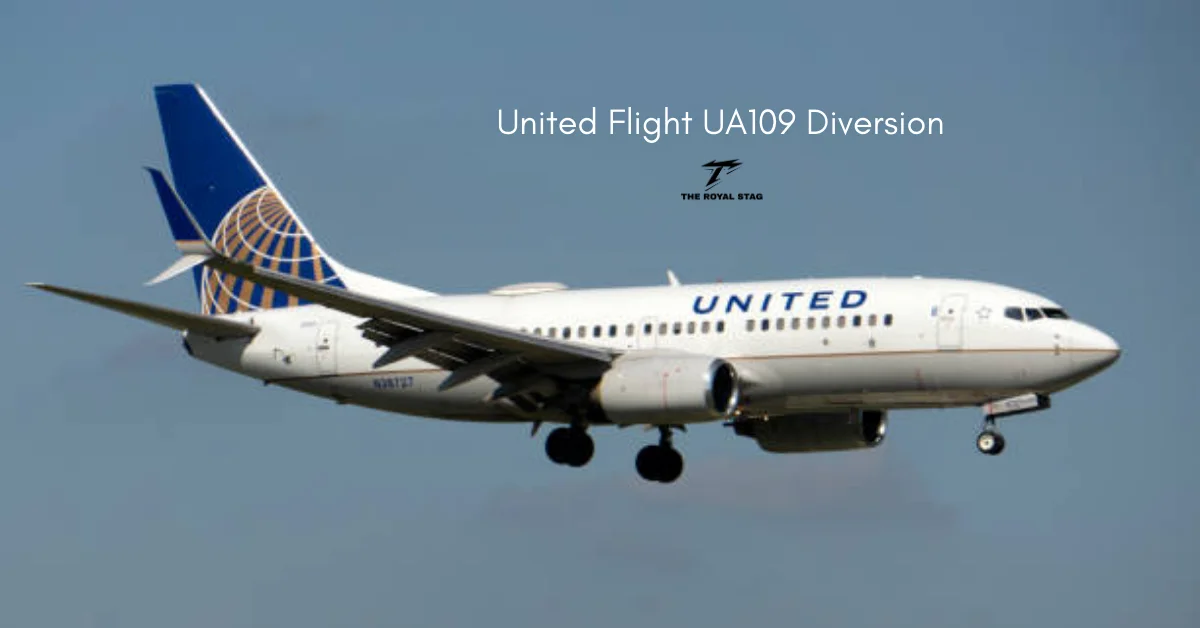
The United Flight UA109 Diversion recently drew significant attention from travelers and aviation observers alike, highlighting how airlines respond when unexpected situations arise mid-air. Flight diversions are not uncommon in commercial aviation, but when they occur, they often raise questions about safety, passenger rights, and airline procedures. The United Flight UA109 Diversion serves as a clear example of how airlines prioritize safety while managing operational challenges in real time.
In this comprehensive article, we will examine what typically leads to a diversion, how airlines handle such situations, what passengers can expect during a mid-flight change of plans, and why the United Flight UA109 Diversion underscores the reliability of modern aviation safety systems.
What Is a Flight Diversion?
Before diving deeper into the United Flight UA109 Diversion, it’s important to understand what a flight diversion actually means.
A flight diversion occurs when an aircraft changes its originally planned destination and lands at an alternate airport. Diversions can happen for several reasons, including:
-
Medical emergencies onboard
-
Mechanical or technical concerns
-
Severe weather conditions
-
Air traffic congestion
-
Security-related issues
-
Airport operational restrictions
In the case of the United Flight UA109 Diversion, the airline made the decision to reroute the aircraft to ensure the safety and well-being of everyone on board. Such decisions are never taken lightly and involve coordination between pilots, airline operations centers, and air traffic control.
Understanding the United Flight UA109 Diversion
The United Flight UA109 Diversion became a topic of interest because it demonstrated how quickly airlines can adapt to changing circumstances. When a flight is in the air, pilots constantly monitor aircraft systems, weather updates, and onboard conditions. If any irregularity arises, the crew evaluates whether continuing to the original destination is the safest option.
In situations like the United Flight UA109 Diversion, the captain follows strict aviation protocols. Commercial pilots are extensively trained to handle emergencies and abnormal situations. Their priority is always safety—never schedule convenience.
Although diversions can be inconvenient for passengers, they are a sign that the aviation safety system is working exactly as intended.
Common Causes Behind the United Flight UA109 Diversion
1. Medical Emergencies
One of the most frequent reasons for diversions is a passenger or crew member experiencing a medical emergency. Commercial aircraft carry basic medical equipment, and flight attendants are trained in first aid and CPR. However, if a situation requires urgent medical attention, the flight may divert to the nearest suitable airport.
If the United Flight UA109 Diversion was prompted by a health-related incident, it reflects the airline’s commitment to immediate medical care.
2. Technical or Mechanical Issues
Aircraft are equipped with advanced monitoring systems that alert pilots to any irregularities. Not every warning indicates a major problem, but even minor concerns can warrant a precautionary landing.
In cases like the United Flight UA109 Diversion, a technical alert might have prompted the crew to choose an alternate airport out of an abundance of caution.
3. Weather Conditions
Weather plays a significant role in aviation safety. Thunderstorms, heavy winds, low visibility, and snow can all impact a flight’s ability to land safely at its intended destination.
If weather was a factor in the United Flight UA109 Diversion, rerouting would have been the safest course of action.
4. Air Traffic or Operational Constraints
Airports sometimes experience runway closures, congestion, or other operational challenges. When this happens, aircraft may be instructed to divert to avoid extended holding patterns or fuel limitations.
How Airlines Handle a Diversion Like United Flight UA109 Diversion
When a diversion decision is made, a series of coordinated steps follow:
Immediate Communication
Pilots inform air traffic control about the diversion request. Air traffic controllers then provide instructions for landing at the alternate airport.
Passenger Announcements
The captain typically makes an announcement explaining the reason for the diversion, reassuring passengers, and outlining next steps.
During the United Flight UA109 Diversion, communication would have been key in minimizing confusion and anxiety among travelers.
Ground Coordination
Airline operations teams work behind the scenes to:
-
Arrange gate availability
-
Coordinate ground handling
-
Rebook passengers if needed
-
Provide meal vouchers or accommodations
Diversions require swift teamwork between flight crews and ground staff.
Passenger Experience During the United Flight UA109 Diversion
For travelers onboard, a diversion can be unexpected and stressful. However, airlines follow structured procedures to maintain calm and order.
What Passengers Typically Experience
-
Clear instructions from cabin crew
-
Safe landing at an alternate airport
-
Updates regarding connecting flights
-
Assistance with rebooking
In the United Flight UA109 Diversion scenario, passengers likely experienced temporary inconvenience but benefited from a safety-first approach.
Compensation and Passenger Rights
Whether passengers receive compensation depends on the reason for the diversion. If caused by weather or medical emergencies, compensation is typically not required. However, airlines often provide meals, hotel accommodations, or rebooking assistance as a goodwill gesture.
Safety Protocols Highlighted by the United Flight UA109 Diversion
Modern aviation is built around layered safety systems. The United Flight UA109 Diversion demonstrates how these layers function effectively:
-
Advanced aircraft diagnostics
-
Continuous pilot training
-
Real-time weather monitoring
-
Strict federal aviation regulations
-
Crew resource management practices
Each of these systems works together to ensure that diversions, when necessary, are handled smoothly and safely.
The Role of Pilots in the United Flight UA109 Diversion
Pilots undergo thousands of hours of training, including simulator sessions that replicate emergency scenarios. When faced with an unexpected situation, they rely on:
-
Standard Operating Procedures (SOPs)
-
Checklists
-
Coordination with dispatch teams
-
Risk assessment models
The decision behind the United Flight UA109 Diversion would have been guided by structured protocols rather than guesswork.
Operational Impact of the United Flight UA109 Diversion
While passenger safety remains the priority, diversions also affect airline operations. The ikely resulted in:
-
Aircraft repositioning logistics
-
Crew scheduling adjustments
-
Passenger rebooking challenges
-
Potential delays for subsequent flights
Airlines maintain contingency plans to handle these ripple effects efficiently.
Why Flight Diversions Are a Positive Sign
Although the phrase “diversion” can sound alarming, it is actually a proactive safety measure. The reinforces several key truths about commercial aviation:
-
Safety always outweighs schedule.
-
Pilots are empowered to make precautionary decisions.
-
Airlines prioritize passenger well-being.
-
The aviation system is designed to adapt quickly.
In reality, diversions are proof that safety systems are functioning properly.
Lessons Travelers Can Learn from the United Flight UA109 Diversion
Travelers can take away valuable insights from the
Stay Calm
Diversions are rarely dangerous. They are precautionary measures designed to reduce risk.
Keep Essentials in Carry-On Bags
Having medications, chargers, and important documents easily accessible can make unexpected delays more manageable.
Monitor Airline Updates
Airlines often provide real-time updates via mobile apps and text alerts.
Consider Travel Insurance
Insurance can offer additional peace of mind for disruptions.
Media Attention and Public Perception of the United Flight UA109 Diversion
When incidents like the occur, public curiosity increases. Social media can amplify speculation, but it’s important to rely on verified airline statements.
Diversions are routine within aviation operations, even if they feel dramatic from a passenger’s perspective. Aviation professionals view them as structured responses to evolving conditions.
Comparing the United Flight UA109 Diversion to Industry Standards
The handling of the aligns with global aviation standards. Airlines worldwide follow similar frameworks governed by aviation authorities.
Standard practices include:
-
Selecting the nearest suitable airport
-
Ensuring adequate runway length
-
Confirming medical or maintenance support availability
-
Prioritizing fuel safety margins
These procedures are universal, demonstrating the consistent nature of aviation safety.
The Bigger Picture: Trust in Modern Aviation
Commercial aviation remains one of the safest modes of transportation. Events like the may temporarily disrupt travel plans, but they reinforce the system’s resilience.
Pilots, engineers, dispatchers, and cabin crews all play a role in ensuring that flights reach passengers’ destinations safely—even if that destination changes along the way.
Conclusion: What the United Flight UA109 Diversion Teaches Us
The United Flight UA109 Diversion serves as a reminder that aviation safety is built on preparation, training, and decisive action. While diversions can be inconvenient, they represent a commitment to protecting lives above all else.
From medical emergencies to technical alerts and weather challenges, airlines are equipped to respond swiftly and professionally. The highlights how coordination between flight crews and ground operations ensures passenger safety remains the top priority.
Ultimately, diversions are not signs of failure—they are signs of vigilance. Travelers can take comfort in knowing that when an airline chooses to reroute a flight, it is doing so to maintain the highest safety standards in modern aviation.
FAQs About United Flight UA109 Diversion
1. What caused the United Flight UA109 Diversion?
The exact cause depends on official airline reports, but common reasons include medical emergencies, weather conditions, or precautionary technical checks.
2. Is a flight diversion dangerous?
No. A diversion is typically a precautionary safety measure. It indicates that pilots are prioritizing safety rather than risking continued travel.
3. Do passengers receive compensation after a diversion?
Compensation depends on the reason. Weather and medical-related diversions usually do not require compensation, but airlines often assist with rebooking and accommodations.
4. How do pilots decide where to divert?
Pilots coordinate with air traffic control and airline dispatch teams to choose the nearest suitable airport with proper facilities and runway length.
5. Can a diverted flight continue to its original destination?
Yes. After addressing the issue—such as refueling, medical assistance, or maintenance checks—the flight may resume or passengers may be transferred to another aircraft.
