

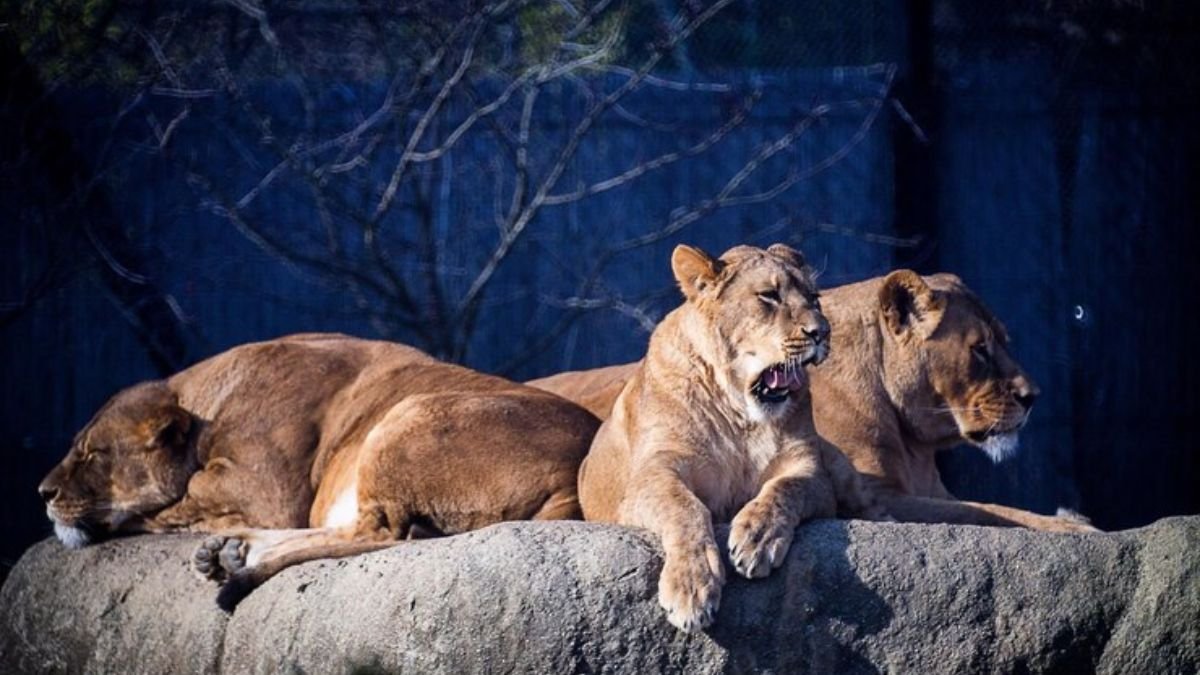
Zooskooñ is rapidly emerging as a top destination for wildlife lovers, families, and eco-tourists. Unlike traditional zoos, Zooskooñ blends entertainment, education, and conservation to offer an immersive wildlife experience. Visitors are not just spectators; they become part of an educational journey that highlights the importance of protecting our planet’s biodiversity. In this article, we’ll explore everything about Zooskooñ, including its history, attractions, visitor tips, and why it’s a must-visit destination in today’s travel landscape.
What Makes Zooskooñ Unique?
Zooskooñ is a modern zoological park that goes beyond simply displaying animals. Its uniqueness lies in:
-
Interactive Experiences: Visitors can engage with exhibits in ways that encourage learning and curiosity.
-
Immersive Habitats: Animals live in environments that closely mimic their natural habitats, promoting healthy behavior and realistic viewing experiences.
-
Sustainability Focus: Zooskooñ is committed to eco-friendly practices such as renewable energy, waste management, and habitat preservation.
-
Conservation Efforts: The park actively participates in protecting endangered species, both locally and globally.
With these features, Zooskooñ has redefined what a modern zoo can be—an educational, responsible, and unforgettable destination.
A Brief History of Zooskooñ
Zooskooñ was established with a mission to combine wildlife education and conservation. From its humble beginnings as a small community zoo, it has grown into a globally recognized destination known for its innovative approach to animal care and interactive visitor experiences. Over the years, Zooskooñ has expanded its programs to include wildlife rehabilitation, educational workshops, and research initiatives that contribute to global conservation efforts.
Top Attractions at Zooskooñ
1. Interactive Animal Exhibits
Zooskooñ’s interactive exhibits allow visitors to observe animals in naturalistic settings. From walking through tropical aviaries to watching predators roam in expansive habitats, each exhibit is designed to educate while entertaining.
2. Educational Programs and Workshops
The park offers structured educational programs for schools, families, and wildlife enthusiasts. These workshops cover animal behavior, ecology, and conservation strategies. Zooskooñ’s programs are highly praised for engaging children and adults alike.
3. Adventure Zones and Trails
For those who enjoy adventure, Zooskooñ has walking trails, zip-lining routes, and observation decks. These zones provide unique perspectives on wildlife while promoting physical activity and exploration.
4. Night Safari Experience
Zooskooñ also offers night tours that give visitors a chance to see nocturnal animals in action. This experience is both thrilling and educational, providing insights into animal behavior after dark.
Planning Your Visit
Best Time to Visit
The ideal time to visit Zooskooñ is during the cooler months, typically between November and March. Animals are more active during these months, making the experience more enjoyable. Early morning visits are best for feeding sessions and animal interactions.
Tickets and Packages
Zooskooñ offers flexible ticket options including single-day passes, family packages, and annual memberships. Booking online is recommended, as some interactive programs have limited spots.
Accessibility and Amenities
Zooskooñ is designed to be accessible to all visitors, featuring ramps, accessible restrooms, and mobility-friendly pathways. The park also provides food courts, picnic areas, and souvenir shops.
Zooskooñ for Families
Families find Zooskooñ particularly appealing due to its child-friendly exhibits, interactive learning zones, and engaging activities. Children can participate in educational games, feeding sessions, and wildlife workshops that encourage a love for nature. Family packages often include guided tours, meal deals, and exclusive souvenir options, making it a complete family experience.
How Zooskooñ Supports Wildlife Conservation
Zooskooñ is more than a tourist attraction; it’s a hub for conservation. The park collaborates with international organizations to:
-
Rescue and rehabilitate endangered species
-
Reintroduce animals into their natural habitats
-
Conduct research on wildlife health and behavior
-
Educate the public about the importance of biodiversity
Visitors indirectly support these initiatives through ticket purchases and donations, making each visit a contribution to global conservation efforts.
Tips to Maximize Your Zooskooñ Experience
-
Plan Your Day: Check the park map and schedule of shows.
-
Dress Comfortably: Wear walking shoes and lightweight clothing.
-
Carry Essentials: Water, sunscreen, and hats are recommended.
-
Engage Responsibly: Follow park rules and maintain a safe distance from animals.
-
Capture Memories: Use designated photo zones to take high-quality pictures without disturbing the animals.
Why Zooskooñ Should Be Your Next Destination
Zooskooñ offers a rare combination of adventure, learning, and meaningful wildlife interaction. Unlike conventional zoos, it educates while entertaining, encourages responsible tourism, and actively supports conservation. Whether you’re visiting solo, with friends, or with family, Zooskooñ guarantees a memorable, enriching experience.
Conclusion
Zooskooñ is a modern marvel in the world of wildlife parks. It blends education, conservation, and interactive experiences to create an unforgettable journey for every visitor. From immersive habitats to engaging educational programs, Zooskooñ has successfully redefined what it means to connect with wildlife. Plan your visit today and explore the wonders of Zooskooñ—you’ll leave with knowledge, inspiration, and memories to last a lifetime.
FAQs
1. What makes Zooskooñ different from other zoos?
Zooskooñ focuses on interactive exhibits, immersive habitats, and conservation programs, unlike traditional zoos that mainly display animals.
2. Are there guided tours available?
Yes, Zooskooñ provides guided tours for families, schools, and groups, offering detailed insights into animal behavior and habitats.
3. Can visitors interact with animals?
Yes, supervised interactions are available in certain zones, ensuring safety for both animals and guests.
4. What is the best time to visit Zooskooñ?
The cooler months, between November and March, are ideal. Early mornings are best for active animal sightings.
5. How does Zooskooñ contribute to wildlife conservation?
Zooskooñ supports conservation through animal rescue, rehabilitation, habitat preservation, research, and public education.
